
OLD MONEY OUTFITS MEN
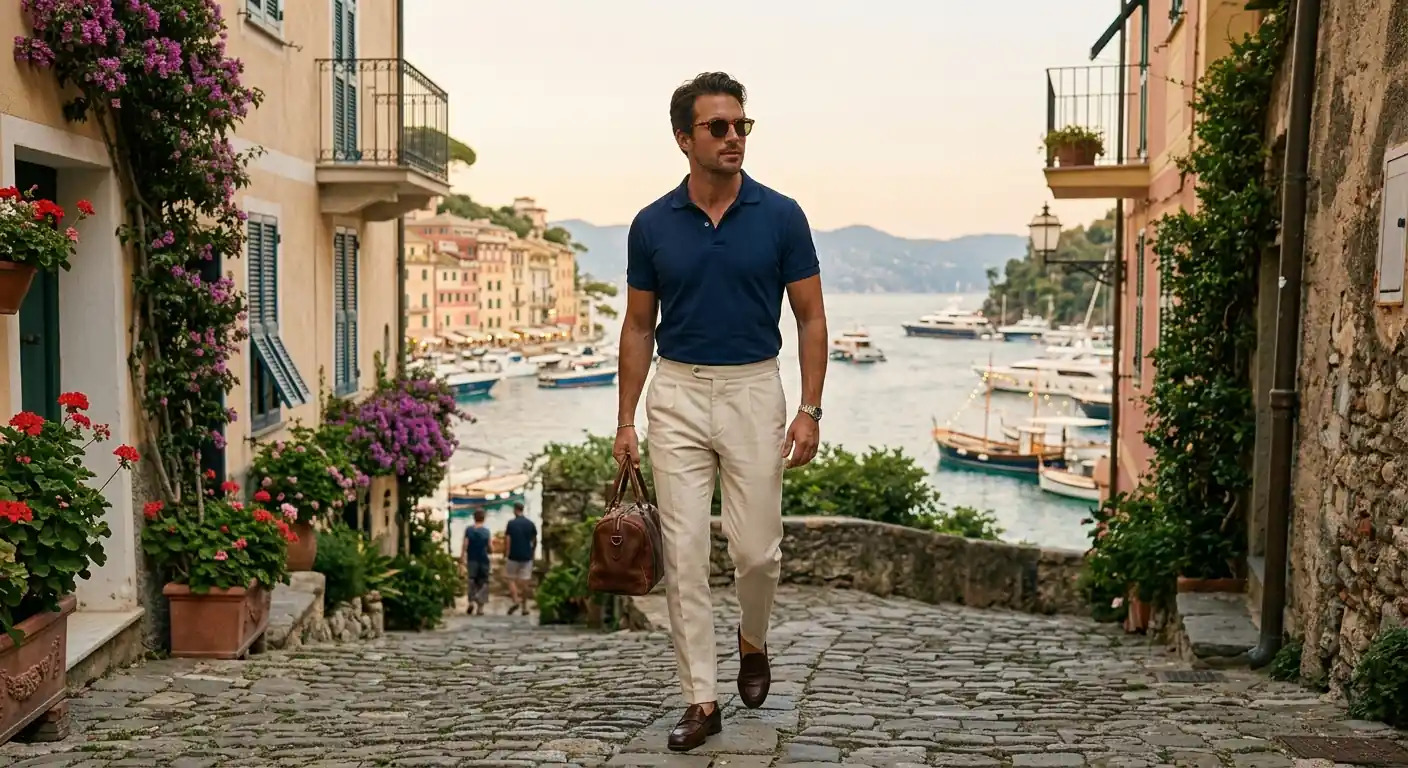


Old Money Aesthetic Complete Guide to Luxury, Style, and Lifestyle
If your social feed has been flooded with beige blazers, tennis skirts, and pearl earrings lately, you’ve already brushed up against the old money aesthetic — one of the most enduring style movements of the past few years. Unlike most micro-trends that fade within a season, this one draws its power from something much older than TikTok: generations of quiet, inherited wealth and the understated way it has always dressed itself.
This guide breaks down exactly what the old money aesthetic is, where it comes from, how it differs from the flashier “new money” look, and how you can borrow its principles for your own wardrobe, home, and daily habits — no trust fund required.
What Is the Old Money Aesthetic?
The old money aesthetic is a style philosophy built around understated elegance, high-quality materials, and clothing that looks as good in twenty years as it does today. It’s often used interchangeably with the term “quiet luxury,” a phrase that took off after shows like Succession put brandless, beautifully tailored wardrobes on screen.
At its core, the aesthetic reflects how families with generational wealth have traditionally dressed and lived: refined but never flashy, comfortable but never sloppy, and expensive in a way that only someone who already knows the difference would notice. There are no oversized logos shouting the price tag — the fabric, the fit, and the finish do the talking instead.
Where Does the Old Money Look Come From?
The roots of this aesthetic trace back to East Coast American families, Ivy League campuses, and the country-club culture of the early-to-mid 20th century — often linked to WASP (White Anglo-Saxon Protestant) social circles in the United States and to landed aristocracy in Europe. Think sailing weekends in Nantucket, tennis whites at a private club, and tweed jackets at a New England university.
This is also where “preppy” style overlaps heavily with old money dressing. Both value tradition, natural fibers, and a certain collegiate polish, though old money leans slightly more formal, muted, and adult, while preppy can be more playful and colorful.
Old Money vs. New Money: What’s the Real Difference?
The easiest way to understand the old money aesthetic is to contrast it with its opposite: new money style. New money — often associated with self-made wealth — tends to celebrate success visibly, through recognizable logos, bold prints, and the latest designer drops.
- Old money favors monogram-free bags; new money favors logo-covered ones.
- Old money invests in tailoring; new money invests in the newest hype release.
- Old money whispers wealth through fabric quality; new money states it through branding.
- Old money dresses for longevity; new money dresses for the current season.
Neither approach is right or wrong — they simply signal different relationships with wealth. Old money dressing is about belonging to a world so comfortable with its resources that it never needs to prove anything.
The Core Principles Behind the Aesthetic
1. Quality Over Quantity
A smaller wardrobe of well-made pieces beats a closet stuffed with fast fashion. Old money dressing treats clothing as an investment — a blazer, a coat, or a pair of leather shoes is meant to be repaired, re-soled, and worn for a decade, not discarded after one season.
2. Understated Elegance
Nothing about the look should scream for attention. Colors stay muted, silhouettes stay classic, and branding stays invisible or minimal. The goal is to look effortlessly put-together, as though no thought went into it at all — even though every piece was chosen deliberately.
3. Timelessness Over Trends
A navy blazer bought in 1995 should still work today. This aesthetic deliberately avoids anything that will look dated in a few years, favoring silhouettes and fabrics that have stayed in rotation for decades.
4. Heritage and Craftsmanship
Old money style has a soft spot for brands and tailors with real history — family-run ateliers, heritage mills, and labels known for construction rather than marketing. Craftsmanship is treated as a form of storytelling.
Building an Old Money Wardrobe
You don’t need a closet full of designer labels to nail this look — you need the right foundational pieces, in the right fabrics and colors, worn with restraint.
Wardrobe Staples for Women
- Tailored blazers in navy, camel, or grey
- Crisp button-down shirts and silk blouses
- A-line midi skirts and wide-leg trousers
- Cashmere sweaters and cardigans
- Trench coats and wool overcoats
- Simple leather loafers, ballet flats, or riding boots
- Structured leather handbags without visible logos
- Delicate gold jewelry — pearls, signet rings, thin chains
Wardrobe Staples for Men
- A well-tailored navy or charcoal suit
- Oxford cloth button-down shirts
- Merino wool sweaters and quarter-zips
- Chinos and flat-front wool trousers
- Penny loafers and Oxford dress shoes
- A camel or navy wool overcoat
- A leather belt, a classic watch, and minimal jewelry
The Signature Color Palette
Old money dressing rarely strays from a tight, neutral palette that mixes and matches effortlessly across an entire wardrobe:
- Navy, cream, and white
- Camel, beige, and tan
- Forest green and burgundy
- Charcoal grey and black (used sparingly, mostly for formalwear)
Fabrics Worth Investing In
The look depends heavily on fabric quality, since texture and drape do most of the visual work that logos might otherwise do. Prioritize cashmere, merino wool, Egyptian cotton, linen, tweed, and full-grain leather over synthetic blends — they age better, last longer, and simply photograph and feel more expensive.
Old Money Aesthetic Beyond Fashion: Home and Interiors
The same philosophy extends well past the closet. Old money interiors favor antique or vintage furniture, oil paintings and family portraits, leather-bound books, brass fixtures, and rooms built around comfort rather than showing off. Think a country house library over a minimalist showroom apartment — worn Persian rugs, heavy curtains, and furniture that has clearly been passed down rather than purchased last month.
Rather than following interior design trends, the goal is a home that looks like it has always looked exactly this way — layered, lived-in, and quietly grand.
The Old Money Mindset and Lifestyle
Clothing is only one part of the equation. Old money culture places just as much weight on how a person behaves, speaks, and spends their free time.
Manners and Etiquette
Good posture, a firm handshake, punctuality, and handwritten thank-you notes are small habits that signal upbringing in old money circles. Loud or attention-seeking behavior is generally viewed as a sign of insecurity rather than confidence.
Hobbies and Leisure
Traditional old money pastimes lean toward sailing, tennis, golf, rowing, horseback riding, and country club membership — activities historically tied to private clubs and generational access, valued as much for their social ritual as for the sport itself.
Education and Culture
A genuine appreciation for classical literature, fine art, and music is considered part of the aesthetic, not an accessory to it. Museum visits, opera, and a well-stocked home library all reinforce the same understated, cultivated image as the wardrobe itself.
Discretion Above All
Perhaps the most defining trait is restraint: not posting every purchase, not naming every designer, and not needing anyone to know how much something cost. Wealth, in this world, is meant to be understood rather than announced.
How to Get the Old Money Look Without Old Money
The good news: this aesthetic is more about silhouette, color, and attitude than it is about the price tag. You can build a convincing version of the look on almost any budget.
- Shop secondhand and consignment stores for real cashmere, wool, and leather at a fraction of retail price
- Stick to a tight neutral color palette so everything mixes and matches
- Prioritize fit and tailoring — a $30 blazer altered to fit perfectly beats an ill-fitting designer one
- Invest gradually in a few higher-quality staples (coat, bag, shoes) rather than buying everything at once
- Remove or avoid visible logos, even on budget pieces
- Care for what you own — polish shoes, steam clothes, and repair rather than replace
Why the Old Money Aesthetic Went Viral
The trend exploded across TikTok and Pinterest in the early 2020s, fueled by shows and films that romanticized generational wealth, along with a broader cultural shift away from logo-driven “look at me” fashion toward calmer, more sustainable style choices. For many, it also represents aspiration: a fantasy of ease, security, and effortless taste, packaged into an achievable set of style rules anyone can follow, regardless of their actual bank balance.
Common Mistakes to Avoid
- Buying visibly logo-heavy pieces and calling it old money — the aesthetic is defined by the absence of branding
- Chasing whatever’s trending on social media instead of building genuinely timeless basics
- Ignoring fit — even expensive pieces look cheap if they don’t fit properly
- Overdressing for casual settings, which reads as trying too hard rather than effortless
- Forgetting that the aesthetic is also about manners and behavior, not clothing alone
Frequently Asked Questions
Is old money aesthetic the same as quiet luxury?
They’re closely related but not identical. “Quiet luxury” usually refers to the modern fashion trend of understated, logo-free dressing, while “old money aesthetic” also includes the broader lifestyle, manners, and mindset historically associated with generational wealth.
Can anyone dress old money style?
Yes. While the term originates from actual inherited wealth, the aesthetic itself is simply a set of style principles — quality, restraint, and timelessness — that anyone can apply to their own wardrobe on any budget.
What colors define the old money aesthetic?
Navy, cream, camel, beige, forest green, and burgundy make up the core palette, with black and grey reserved mostly for more formal pieces.
What brands are associated with old money style?
Heritage labels known for craftsmanship over branding are common references, including Ralph Lauren, Brooks Brothers, Hermès, Burberry, and various Savile Row tailors — though the aesthetic itself is achievable without any specific brand.
In Conclusion
The old money aesthetic endures because it isn’t really about money at all — it’s about restraint, quality, and confidence that doesn’t need an audience. Whether you’re rebuilding your wardrobe, redecorating your living room, or simply rethinking how you carry yourself day to day, the same rule applies: choose fewer things, choose them well, and let quiet quality speak for itself.